Dubai, UAE, March 13, 2026 (GLOBE NEWSWIRE) -- Expat US Tax has released an analysis examining how recent geopolitical developments in the Middle East are affecting Americans living and traveling across the region. The review focuses on practical issues that U.S. expats may encounter, including travel disruptions, embassy advisories, and day-to-day logistical challenges as governments monitor security developments.
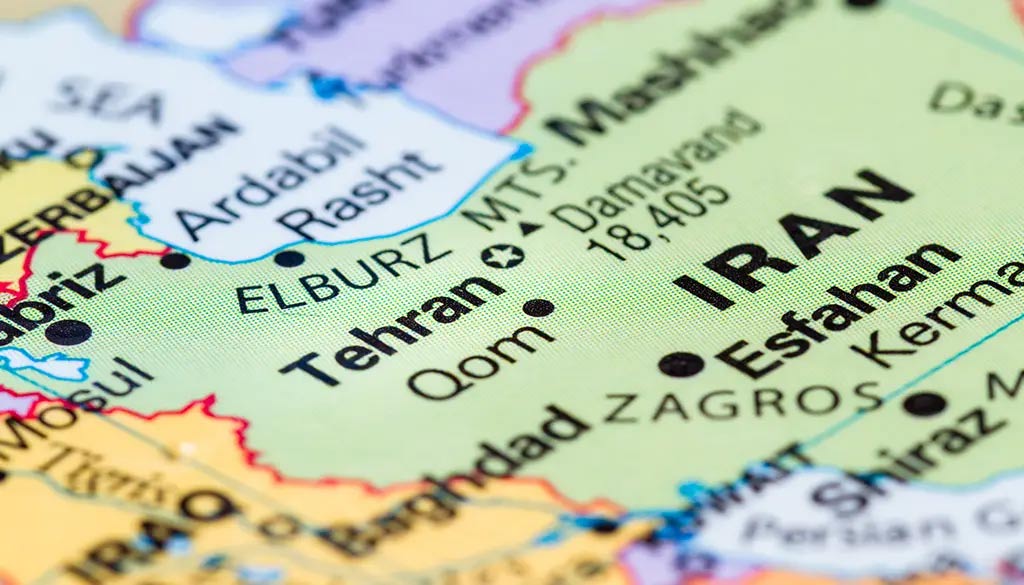
Impact of the U.S.–Israel War on Iran and Challenges for U.S. Expats
Over the past several weeks, tensions involving the United States, Israel, and Iran have led to heightened security alerts and precautionary measures across parts of the Middle East. Governments in several countries have issued travel advisories, increased security measures around infrastructure and transportation networks, and temporarily adjusted airspace access in response to regional developments.
These changes have had a direct impact on international travel. Airlines operating across the Middle East have modified flight routes or temporarily suspended certain services when airspace restrictions were introduced. In some cases, travelers have experienced delays or cancellations as airlines adjusted operations to maintain safe flight paths.
For Americans living in the region, these developments can affect routine activities such as business travel, family visits, or relocation plans. Large American expatriate communities reside in countries including the United Arab Emirates, Saudi Arabia, Qatar, Israel, and Kuwait, where many work in sectors such as energy, aviation, finance, education, and international business.
Clark Stott, Director at Expat US Tax, said that events affecting regional transportation or embassy operations can have practical implications for Americans living abroad.
“Americans living overseas often manage international travel, cross-border employment, and family commitments in multiple countries,” Stott said. “When regional developments affect transportation or consular services, expatriates may need to adjust travel plans or monitor official government guidance more closely.”
Government agencies have encouraged citizens abroad to stay informed through official advisories and embassy updates. U.S. citizens living overseas may receive updates through embassy communications, travel advisories, and emergency notification systems designed to provide timely information during rapidly evolving situations.
Travel and Embassy Operations
One of the most immediate effects of regional instability is the adjustment of aviation routes and airport operations. Airlines may reroute flights to avoid restricted airspace, while airports can temporarily limit operations if security concerns arise. These changes may result in longer travel times or limited flight availability between international hubs.
Embassy services may also adjust operations during periods of heightened security awareness. While most diplomatic missions continue to provide routine consular services, embassies may issue additional guidance for citizens or temporarily modify staffing levels depending on local conditions.
For Americans abroad, embassy communication channels often serve as an important source of information. Citizens can receive updates regarding local developments, travel advisories, or recommended safety precautions.
Considerations for U.S. Expats
For expatriates living in the Middle East, the most common impacts tend to involve logistical and planning considerations rather than direct security concerns. Travel arrangements, visa timelines, and relocation plans can be affected when airlines modify schedules or when governments introduce temporary travel guidance.
Many expatriates also maintain connections across multiple countries, making regional mobility an important part of daily life. Business travelers, contractors, educators, and international employees may rely on regional flights between Gulf cities, Europe, and Asia. Changes in aviation routes or airport operations can therefore influence professional schedules and personal travel.
In these situations, experts generally recommend monitoring official government advisories and maintaining flexibility in travel planning. Staying informed through embassy updates and airline notifications can help expatriates respond to changing travel conditions.
U.S. Tax Considerations for Americans Abroad
In addition to travel logistics, Americans living overseas continue to manage ongoing financial and tax obligations in the United States. Unlike most countries, the United States taxes its citizens based on citizenship rather than residency. As a result, U.S. citizens living abroad generally remain required to file annual U.S. tax returns if their income exceeds certain thresholds.
For expatriates who move between countries or adjust employment arrangements due to regional developments, maintaining accurate financial records can be especially important. Changes in residency, employment contracts, or income sources may affect how certain tax provisions apply.
Clark Stott noted that geopolitical developments sometimes highlight the complexity of financial planning for Americans abroad.
“Even during periods of regional uncertainty, U.S. tax filing requirements continue to apply,” Stott said. “For expatriates who relocate, change employment, or move between countries, maintaining organized financial records and understanding filing obligations can help avoid compliance issues later.”
U.S. expats may also rely on provisions such as the Foreign Earned Income Exclusion and foreign tax credits, which are designed to help reduce double taxation for Americans working overseas.
Looking Ahead
While governments and international organizations continue to monitor developments across the Middle East, many analysts note that travel conditions and security advisories can evolve quickly during periods of geopolitical tension.
For Americans living abroad, access to accurate information and reliable guidance remains important. Monitoring embassy communications, staying informed about travel advisories, and maintaining awareness of administrative obligations can help expatriates navigate changing conditions while continuing their work and daily life overseas.
About Expat US Tax
Expat US Tax is an advisory firm that assists U.S. citizens living abroad with tax compliance, planning, and reporting obligations. The firm provides tax preparation and advisory services to Americans residing in more than 190 countries, helping expatriates navigate the complexities of U.S. citizenship-based taxation.
Press Inquiries
Clark Stott
info@expatustax.com
https://www.expatustax.com/